
The dark Khmer Red legacy
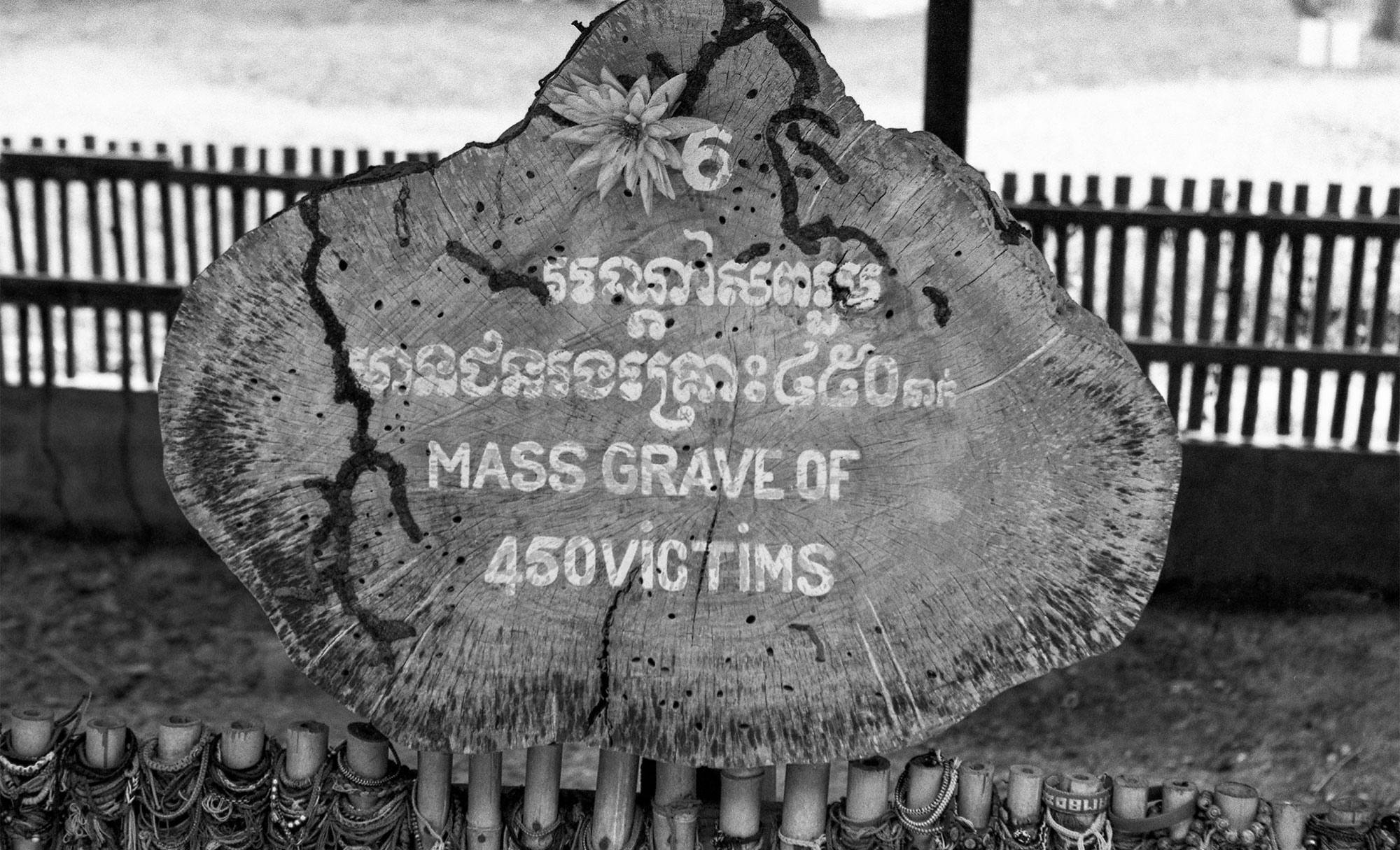
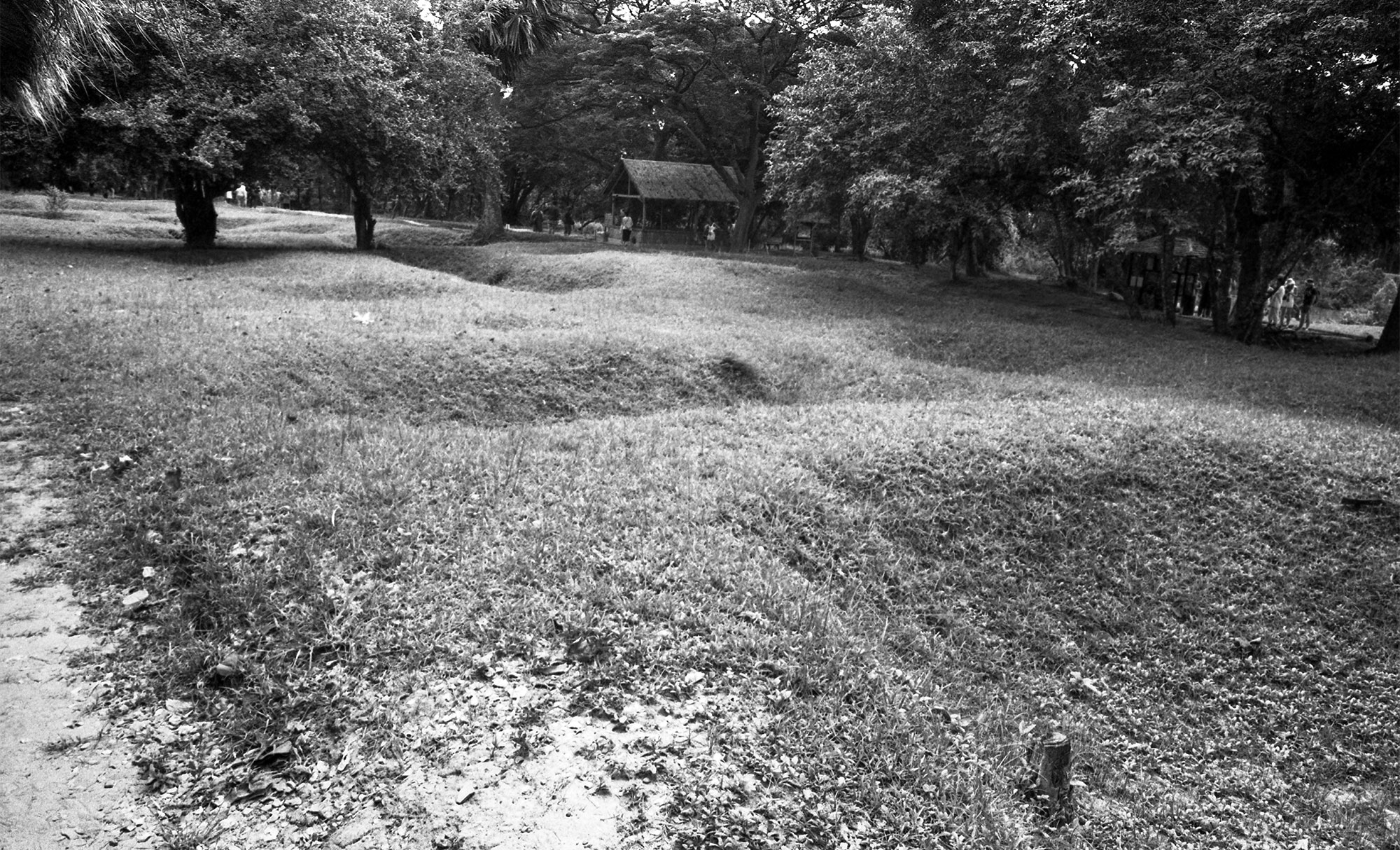
«Bright red blood covers the cities and plains of Kampuchea. Sublime blood of workers and peasants, sublime blood of revolutionaries and fighters. (...) It flows in torrents and rises up to the sky and turns into the red flag of the revolution.»
1st stanza of the national anthem of the Khmer Rouge
All forms of religious practice and private property were forbidden, and money as a means of payment was abolished. Schools, businesses and cultural institutions were destroyed.[1]
And the police, civil servants and the army were also affected by massive clean-up measures. Wearing black uniforms was mandatory to discourage any individuality. The population was under constant surveillance and even the smallest of activities threatened horrific torture and death. 1.7 million Cambodians died during the Khmer Rouge’s reign of terror. An unprecedented genocide against its own people.[2]
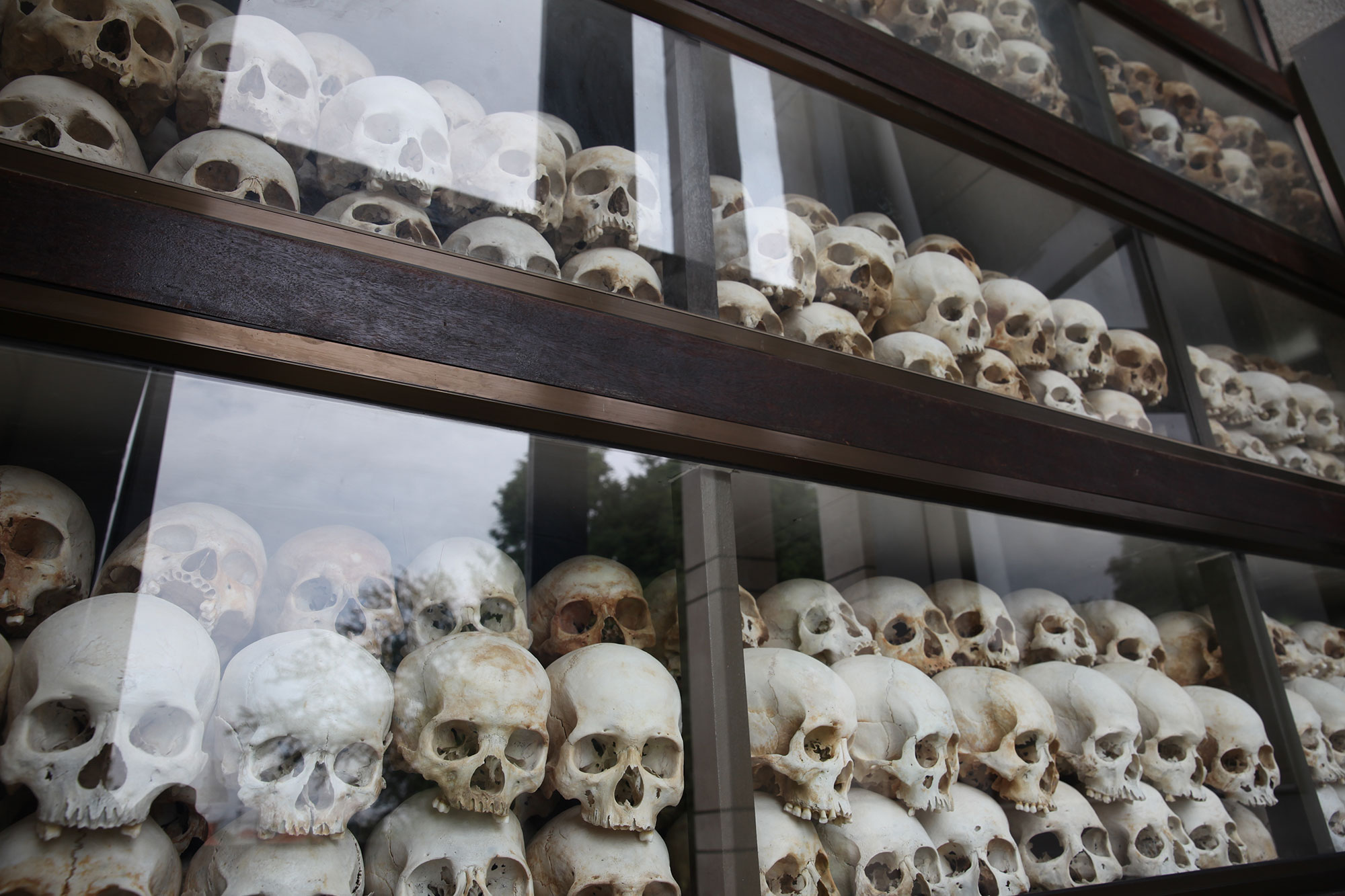
The regime murdered almost the entire intellectual elite. People who could read or who wore glasses were considered intellectual. 15,000 of the then 22,000 teachers were killed. The teachers at the university, which was also closed, are likely to have been affected in a similar way. A disaster.
Because a country needs teachers who teach young people, needs professors who pass on their specialist knowledge. Cambodia lacks both. Around 25 years after the official end of the third Indochina war in December 1998, the level of university teaching is below average and the level of the local schools is breathtakingly poor. A whole generation lacks knowledge. And it will probably take at least another generation before the level, for example in the area of agricultural techniques, has caught up. Let’s keep our fingers crossed for the great country that it won’t be too late then.
[1] Der Spiegel (7.3.1978)
[2] Bundeszentrale für politische Bildung (2015) «Vor 40 Jahren: Beginn der Terrorherrschaft der Roten Khmer»